Saturday, June 03, 2006

Cranberries Can Reduce Your Risk Of Cancer AndHeart Disease
Terry Lowery

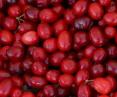
When is the last time you ate cranberries? Was it with a turkey dinner? With all the research pointing to the amazing health benefits of this simple berry, shouldn't cranberries be more than a once a year side dish?

How Cranberries Are Proving Their Strength:
The Cranberry Institute provides the results of studies and research that highlight the fantastic health benefits of the humble cranberry.

Cranberries have been used for thousands of years by Native Americans as a source of food and to extend the shelf life of dried meats. Colonial sailors also made use of the natural preservatives in cranberries (from benzoic acid) which allowed them to last through long sea voyages, and the high Vitamin C content which prevented scurvy.

Perhaps they were on to something since new research suggests that cranberries may prevent the adhesion of the e.colibacteria - a common cause of food poisoning from contaminated meat - to the urinary tract. This 'anti-adhesion' effect may also help in preventing bacteria from causing stomach ulcers and gum disease.

Vitamin C is also a known powerful antioxidant and is being widely accepted as a means of combating the effects of free radicals in the body which can cause cancer, heart disease and other health problems. Antioxidants from cranberries are being researched for prevention of kidney stones and lowering cholesterol.

While many fruits contain antioxidants, according to research cranberries have more antioxidants than 19 commonly eaten fruits. With this news it makes sense to include cranberries into a balanced diet throughout the year.

How Can You Include Cranberries Into Your Diet?
Fresh, frozen or dried, cranberries can be eaten anytime of the year.

Adding dried cranberries to baking (such as scones, breads andcookies) is an easy way to enjoy their tart sweetness. Adding frozen cranberries to smoothies or soups can lend a mild tang to your creations. Fresh cranberries make excellent garnishes and dressings.

The easiest way to add cranberries to your diet is to drink cranberry juice. While sweetened juices have less antioxidants than unsweetened, the benefits of adding cranberry to your diet are still there. If you add unsweetened juice to sparkling water you can enjoy a refreshing spritzer.

While studies are still being conducted on the health benefits of cranberries there is no doubt that increasing the intake of fruits and vegetables in your diet will lead to a healthier body. Choosing to use a variety of berries, citrus and other fruits will ensure you are giving your body everything it needs for optimum health.

About The Author: This article provided courtesy ofhttp://www.low-cholesterol-tips.com/

Herbal Medicine
Ken Shorey

Herbal Medicine is the use of botanicals (plants) either alone or in combination to prevent and treat certain ailments and illnesses. Singularly or in combination, the numbers of herbs available is astounding. There are over a half million known herbs that could be used as possible remedies.

Herbal remedies around the globe vary in strength from very mild, gentle remedies that we even use as food, to potential poisons if taken at the wrong dose. The old adage that, "anounce of prevention is worth a pound of cure" could not be more true. This is especially true when it comes to natural remedies.

People native to different geographical locations have long used plants and plant extracts to cure specific maladies.

Sometimes the use of herbs is referred to as "folk" medicine.Folk use of herbal remedies is familiar to all of us in some form or another, because this is how these remedies are learned. Remedies and recipes for herbal teas are handed down from generation to generation and are still remembered and used to this day. Unfortunately, that is what fuels the fire of the scientific community and their disdain. It really is their loss, because generations of experience and knowledge should not be so readily dismissed. In fact, many of our modern medicines have their roots in herbal medicine.

With all our so-called advancements in the medical field, it’s interesting that physicians are still treating "effect" rather than "cause."

Thankfully, the current changes in the world toward traditional remedies is changing for the better.

About The Author: Ken Shorey is owner ofhttp://vibranthealthnow.com/ VibrantHealthnow.com provides ebooks and information to help you improve your health.

For more information on heart fluttering you can check outhttp://www.cancer-resource-center.com/

The New And Improved Nutrition Pyramid
Kirsten Hawkins

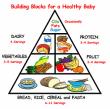
Just when you were getting the Nutrition Pyramid down to an exact science, the USDA goes and releases an all new nutrition and diet plan for healthy Americans. On April 19, 2005, theUnited States Department of Agriculture unveiled its new MyPyramid nutrition pyramid. Available at its own web site(http://www.mypyramid.gov), the new guidelines aren't so much NEW as they are more in depth, detailed and helpful.

For starters, My Pyramid can be personalized. On the main page,you have the option of entering your age, gender and activity level. Simply click “submit” and get a recommendation that's more specific than '6-11 servings of grain per day'. Instead of those vague, wide-ranging recommendations, you'll get a pyramid that says, "6 ounces of grain products", or 2 1/2 cups vegetables.

Even if that were the ONLY improvement on the new site, it would be tremendous. No more guessing whether you should aim for closer to six servings or closer to eleven. The nutrition calculator factors in your age, gender and activity level(above your normal daily routine) to come up with a recommended caloric intake. From there, it breaks down the calories by foodgroup, and tells you exactly how much of each group you should eat per day for a healthy diet. It's far easier to figure out what 2 cups of milk is than it is to figure out how much '3-5'servings of dairy is!

But it doesn't stop there. Beneath the pyramid chart with the specific serving sizes on it, you'll find a list of links to 'tips' for making the healthiest choices from each food group -divided by food group.

There are some great diet tips there, along with ways to serve foods in appetizing and nutritious ways. A sampling from each category includes:

* Grain: Substitute whole grain cereal for bread crumbs in toppings.
* Vegetables: Try crunchy vegetables raw or lightly steamed.
* Fruits: Try applesauce as a fat-free substitute for oil in baking.
* Milk: Trim down from whole milk to fat-free gradually, week by week.
* Meat/Beans: Replace some of the meat in your diet with nuts.

Want to know how your actual diet stacks up against the dietary guidelines and get specific, personalized recommendations for improving it? Tucked away at the bottom of the list of links in the menu you'll find the My Pyramid Tracker. It's easily the handiest tool that I've ever seen. Enter the foods that you eat in a typical day, click Analyze, and you'll get a detailed analysis that includes the calories, the amount of over 25 specific nutrients, the difference between your diet and an optimum diet, and specific recommendations for changes you should make to eat a healthier diet. Better yet, you can save your history day by day to keep track of your eating habits and watch the improvements. It's the diet diary with a difference.Use it - and see yourself eating better every day.

About The Author: Kirsten Hawkins is a nutrition and health expert from Nashville, TN. Visit http://www.popular-diets.com/ for more great nutrition, well-being, and vitamin tips as well as reviews and comments on popular diets.