Migraine Headaches - Effective Natural Treatment Methods!
by: Dr. Larry A. Johnson, D.C.
Headaches are comprised of two major categories, primary and secondary. Headaches belonging to the primary group are not caused by underlying medical conditions while secondary headaches are the result of a medical condition such as trauma, infection or possibly even a brain tumor. Most headaches belong in the primary category.
The primary category headaches include migraine headaches and tension headaches. These two headache types are the most common of all headaches with tension-type headaches being the most common. Tension headaches constitute about 75% of all headaches while migraine headaches affect as many as 30 or 40 million Americans, or approximately 10% or more of the American population.
Migraine headaches can become chronic in nature, but are typically experienced at most once or twice a week, not daily. Females experience the pain of migraines about 3 times as often as males, or about 75% of the time. Migraine headaches can be severe and disabling. They can be accompanied by nausea, vomiting and a sensitivity to light. About 20% of migraine patients will experience an aura. An aura is a disturbance in vision that consists of brightly colored blinking lights that move across a person's field of vision.
There are many types of treatment methods that are available to migraine sufferers, both natural and unnatural. The most common method of treatment are pain relievers that are bought without a prescription, or over-the-counter. Non-prescription drugs can include aspirin, Tylenol (acetaminophen), Motrin (ibuprofen), or a combination of acetaminophen and aspirin. These are the most commonly purchased types of non-prescription pain relievers. Migraine headache patients experiencing more severe pain may need prescription medicine.
There are also many types of natural treatment methods that don't involve the use of non-prescription or prescription medications. These methods of treatment can often relieve migraine headache symptoms and are increasingly gaining popularity in today's society as people are becoming more educated on the potentially dangerous side effects of drugs. One of these natural treatment methods is putting an ice pack on the back of the neck at the base of the skull. When using an ice pack there should be a barrier between the ice pack and the skin such as a wetted cloth or t-shirt that has had the water squeezed out of it. Ice therapy can lessen the flow of blood to the head resulting in less pressure in the head. It can often help relieve the throbbing pain of a migraine headache by decreasing the flow of blood to the head. It is often beneficial for a person to put their feet in a container of warm water at the same time. This can have the effect of attracting the blood to the feet instead of to the head.
Migraine headaches can sometimes be caused by foods and can be prevented by eliminating these food triggers. Foods that can trigger migraine headaches include, but are not limited to, caffeine, chocolate, alcohol, MSG (monosodium glutamate), nuts, cheese, beans, onions and others. Eliminating the trigger may eliminate the migraines.
Another natural treatment method for migraine headaches is simply to reduce stress by relaxing. Many migraines are caused by stress, so eliminating the stress can relieve the pain. Relieving stress can sometimes be achieved by getting plenty of sleep, lying down in a dark quiet room, or a combination of lying down in a dark quiet room with a small ice pack positioned on the neck at the base of the skull as explained above.
This article is a general overview with regard to natural migraine headache treatment methods and may not apply to everyone. As always it is a good idea to seek the help of a professional before treating yourself for a potentially serious health condition.
About The Author
As a chiropractor Dr. Larry A. Johnson, D.C. has treated patients with migraine headaches for 25 years. If you would like more information about migraine headaches visit his site at http://www.soothe-a-ciser.com.
Wednesday, May 10, 2006
The Importance Of Good Nutrition In Keeping Your Smile Beautiful And Your Mouth Healthy
Charlene J. Nuble
A beautiful smile and healthy mouth actually can come from in addition to regular brushing and flossing a daily diet tha tdoes not lack the essential vitamins and minerals that make vital contributions to a person’s oral health. Many people overlook the importance of good nutrition in keeping their smile beautiful and their mouth healthy.
The mineral calcium and Vitamin D are of particular importance to obtaining healthy teeth. These two substances work togetheras calcium absorption is enhanced by Vitamin D. Sufficient calcium is essential to the very structure of the teeth as are phosphorus and magnesium.
Vitamin A is an essential part of the production of the tooth enamel. A deficiency in Vitamin A can cause overgrown gums,bleeding gums and gum disease. Vitamin C because of its role in the health and function of the small capillaries that bring oxygen and nutrients throughout the body is also important to oral health. Vitamin C deficiencies can result in bleeding gums and loose teeth as well as mouth sores. The Vitamin B complex is also essential to a healthy mouth as deficiencies can cause cracking and bleeding of the lips as well as open sores and lesions on both the inside and outside of the mouth. These open sores aside from the discomfort that they cause offer an opportunity for a wide variety of bacteria, viruses and other contaminants to enter the blood stream.
Fluoride is widely known as an important agent in the prevention of tooth decay and is the active ingredient in the vast majority of toothpastes in the market today. In addition to acting to prevent tooth decay it also strengthens tooth enamel, working in partnership with calcium and phosphorus.Copper, zinc, iodine, iron and potassium are other minerals that are essential to good oral health.
It is unfortunate but true that most people do not eat well enough to obtain all of the vitamins, minerals and other necessary nutrients through their daily diets alone. Failing to meet the recommended daily intake levels of vitamins and minerals can result in significant health problems. Therefore,if you find that you are consistently not achieving these intake levels in your day-to-day diet you may want to consider using dietary supplements to meet your nutritional needs.Dietary supplements are safe when used properly. However, they should not be used as a substitute for healthy food as they are meant to complement the diet and only work best when they have real food to attach themselves to. If you find yourself unsure of which daily supplements you should include in your day-to-day nutritional plan a consultation with your healthcare professional or a licensed nutritionist can help you to make these lections best suited to your individual dietary needs and health goals.
While a beautiful smile and healthy mouth are certainly aesthetically pleasing and uplifting to one’s self-confidence,attention to oral health serves a practical purpose as well.Strong teeth mean that a wide variety of foods can be eaten while a healthy mouth means that there are no open sores in the mouth that can serve as an open invitation for bacteria, viruses and other contaminants to enter the bloodstream to causeillness, infection and disease. Making sure that your daily intake of the vitamins and minerals associated with oral health is sufficient in addition to daily dental care will ensure that you can have a lovely smile.
About The Author: Charlene J. Nuble 2005. For up to date links and information about Vitamins, please go to:http://vitamins.besthealthlink.net/ or for updated links and information on all health related topics, go to:http://www.besthealthlink.net/

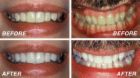
Prevent Dental Stains Without Chemicals
Do you wish your teeth were whiter? Some people have off-white teeth naturally, probably through their genetic inheritance. Others get stained teeth over time for a variety of reasons. If you would like to brighten your smile but don’t want to put the time or money into commercially whitening them, here are a few suggestions for doing it on your own.
1. Limit your consumption of tea, which contains tannic acid. This substance can darken teeth gradually over time, as evidenced by the stains left in teacups used for serving this beverage. You also may want to cut back on cola products, which has a similar but lesser effect. Any foods with deep colors, like blueberries, can leave stains on your tooth enamel. So be sure to brush your teeth after eating foods like these.
2. Rinse your mouth after eating. For best results, try to rinse with water even after snacks, including pop or candy bars. This will prevent foods from sticking to or staying with your teeth, where they can adhere to the enamel and cause stains to appear gradually. At work, use the drinking fountain or bathroom sink for a quick rinse. The quicker you rinse, the better results you will have. Some people even carry small bottles of mouthwash for a quick gargle after lunch.
3. Brush your teeth at least twice a day. Morning and evening are the best times, or following two of your main meals. This will help to remove food bits that can cause discoloration or decay. You can use whitening toothpaste if you prefer, which will provide a low-key brightening effect on your teeth without the use of harsh chemicals or abrasive products. Ask your dentist to recommend a safe whitener for this purpose.
4. Ask about tetracycline substitutes. If you are prescribed tetracycline, a popular antibiotic, ask the doctor if there is a reasonable substitute, as tetracycline has been known to discolor patients’ teeth, especially those who took it frequently or for prolonged periods of time. If you must take it, check with your dentist about how to combat the potential darkening effect it may have on your teeth. Other medications may have this effect, as well, so if tooth color is a problem, ask your doctor about the potential for discoloration for any prescription you receive, or simply inquire about those you should avoid.
One alternative is to merely accept your teeth the way they are. Unless they are extremely yellow or darkened, most people will not notice them, and they should pose no particular health hazard.
Another option is to try a home whitening treatment that you can do yourself. This will save money and time, but it involves a bleaching process that probably uses peroxide or another chemical. Ask your dentist about the advisability of this type of product if you are thinking of trying one. Society views white teeth as an indication of good health and wholesome hygiene, not to mention physical attractiveness, so make the most of your pearly whites.
Article Source: http://www.dietarticles.info
Article Source: http://www.dietarticles.info
For more information on how to prevent dental stains without chemicals, Visit The Denture Spot
Subscribe to:
Posts (Atom)